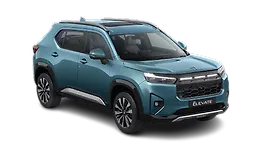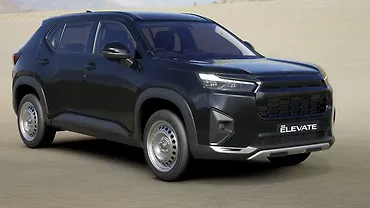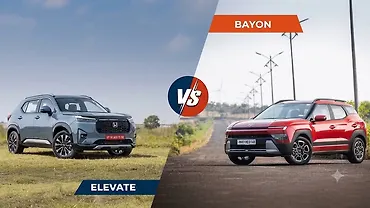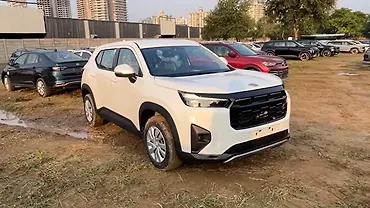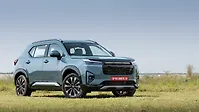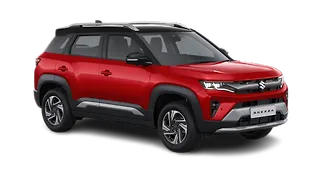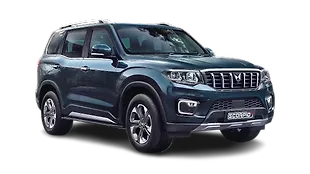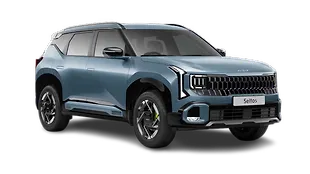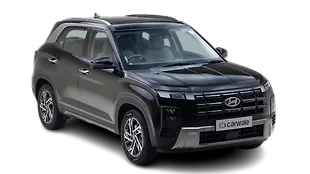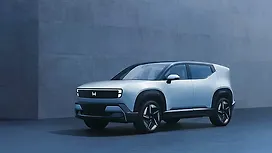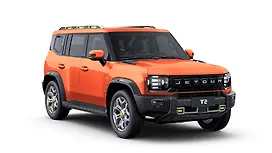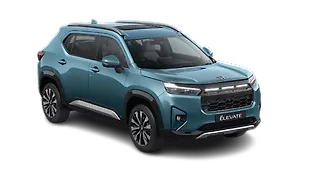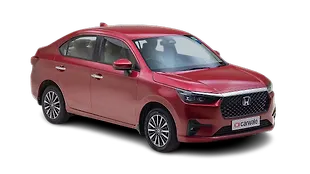

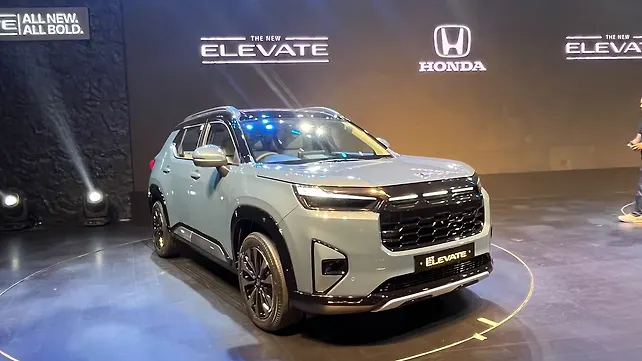
When the Elevate first broke cover three years ago, there were a lot of expectations. Honda was bringing its SUV game back into one of the fiercest segments in India, the mid-size SUV space. But when everything about the Elevate was revealed, including its price, powertrain and features, the package did not exactly set the segment alight. And that reflected in its sales. While enthusiasts welcomed Honda’s return to the segment, buyers largely continued to choose established rivals such as the Creta and Seltos.
Now, three years later, we have the facelift, and it feels like too little, too late. The Elevate is not a bad SUV by any means, but it had a lot of missed opportunities, and Honda has once again missed the chance to fix what was holding it back.
Let’s start with the powertrain. The competition offers CNG, diesel, turbo-petrol and, in some cases, hybrid technology. Meanwhile, Honda is still holding on to its naturally aspirated petrol engine. It is a good engine, but when buyers walk into a showroom, they want choices, and the Elevate does not offer enough of them.

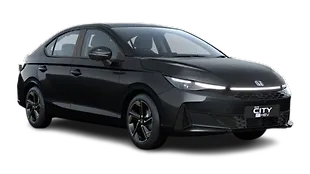
What makes this even more surprising is that Honda already has the technology. The company has been selling the City with its strong-hybrid powertrain in India for years, but has chosen not to bring that technology to the Elevate, where it could arguably make a much bigger difference. An efficient hybrid Elevate could have given Honda a genuine USP and a strong alternative to the diesel-powered SUVs that still attract high-mileage buyers.
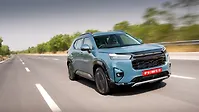
Then come the changes to the exterior and feature set. What is being offered in India as a facelift is essentially a mild rework of the fascia and rear profile, while most of the SUV remains unchanged, including the alloy wheels. Interestingly, this design was showcased as a special edition of the WR-V/Elevate at the Tokyo Auto Salon in January 2026, so it is not an entirely new design direction for the Indian market.
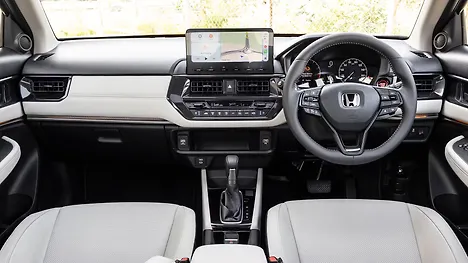
As for features, the Elevate does get a handful of new additions, including powered and ventilated front seats, ventilated rear seats and new light-themed upholstery. However, it still misses out on features such as dual-zone climate control, a head-up display, a panoramic sunroof, a powered tailgate and a branded audio system, all of which are increasingly becoming part of the premium mid-size SUV proposition.
And this is where Honda’s biggest problem lies. The Elevate has the fundamentals. It is spacious, comfortable, good to drive and has a proven petrol engine. But the competition has moved ahead by offering buyers more powertrain choices, more features and more technology.
Honda clearly knows what buyers want. It already has much of the technology required to make the Elevate a more compelling package. Yet, with this facelift, it has chosen evolution when the product arguably needed a bigger step forward.
Whether the updates are enough to change the Elevate’s fortunes remains to be seen. But with the segment moving quickly, a hybrid powertrain or a few more segment-first features could have made the facelift even more interesting. For now, the updated Elevate remains a well-rounded SUV, but one that perhaps leaves us wondering what could have been.