Why Would I Buy it?
- Feature-packed cabin
- Good ride quality
- Value for money
Why Would I Avoid it?
- Light upholstery requires extra care
- Underwhelming performance
Price and Positioning/Rivals

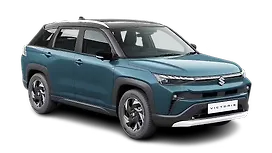
The Maruti Suzuki Victoris has landed like a prophecy for Arena loyalists. While it shares its base with the Grand Vitara, the Victoris feels more premium yet costs less, taking the crown as Arena’s flagship.
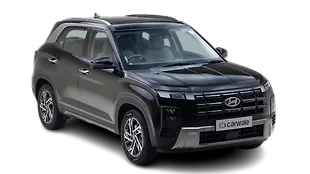
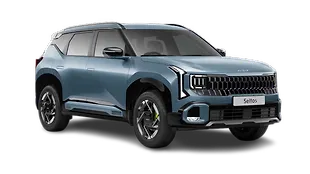
Arena has long needed a halo product to challenge segment leaders like the Hyundai Creta and Kia Seltos. The Grand Vitara tried to shoulder that responsibility under Nexa, but never managed to unsettle the Koreans. Now, the Victoris has arrived to do exactly that.
Prices start at Rs. 10.50 lakh for the petrol, Rs. 11.50 lakh for the CNG, and Rs. 16.37 lakh for the strong hybrid, all ex-showroom.
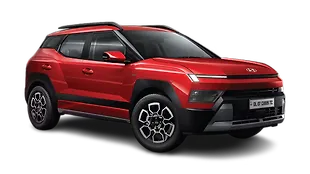
Well, the battle ahead is massive. The Victoris will have to lock horns with heavyweights like the Hyundai Creta, Kia Seltos, Skoda Kushaq, Volkswagen Taigun, MG Astor, and the Honda Elevate.
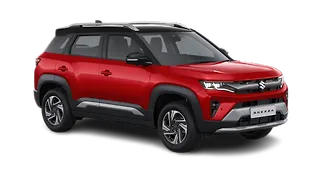
Slotting above the Brezza in the Arena lineup, the Victoris neatly fills the gap between the sub-four-metre hero and the Nexa-exclusive Grand Vitara.
Design
8 / 10
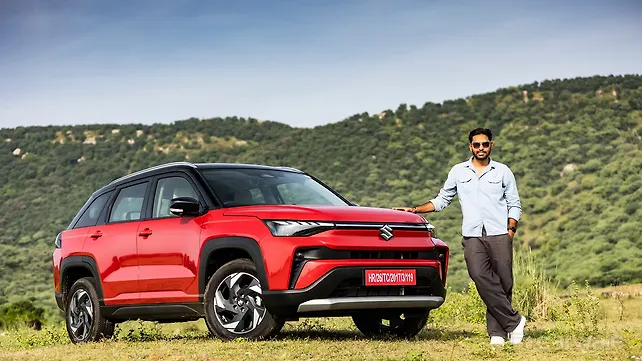
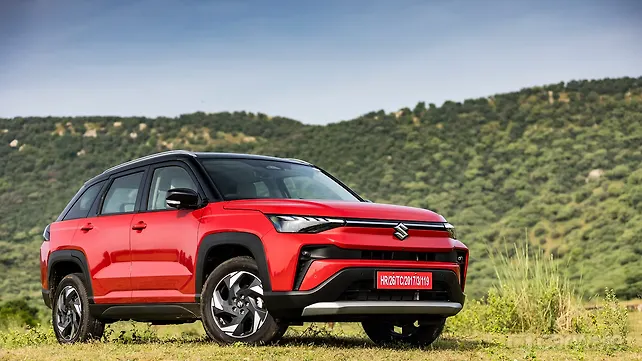
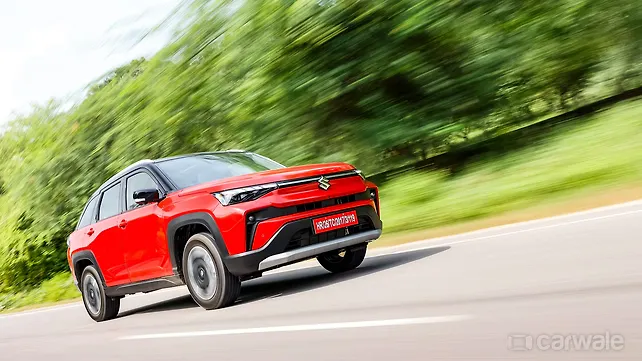
The Maruti Suzuki Victoris looks premium from every angle. It’s a refreshing design direction for Maruti, with an overall silhouette that carries an uncanny estate-wagon vibe - and that’s not a bad thing at all.
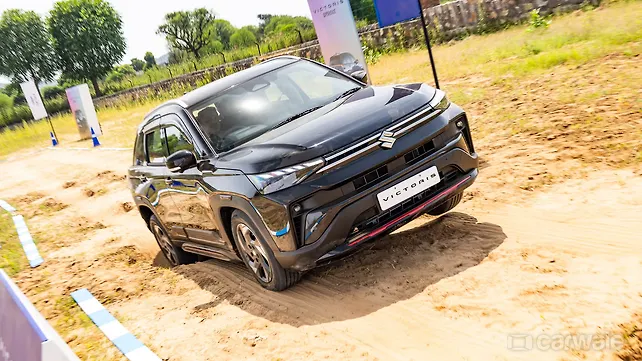
Up front, the fascia is striking with its clean, almost grille-less design that works in its favour. The real highlight, though, is the headlamp setup with razor-sharp full-width DRLs, flowing along the bonnet line and behind the Suzuki logo.
The side profile showcases its estate character with a large quarter panel, generous glasshouse, squared-off wheel arches, massive front and rear overhangs, and a clean body line. The newly designed dual-tone alloys look a little shiny but don’t feel out of place.
At the rear, the Victoris keeps things minimal yet imposing with sleek connected taillamps. The thin light bar integrates the elements neatly, avoiding any bulky clusters.
Add to that the block effect design, and the rear comes together as a bold yet elegant statement that completes the SUV’s premium appeal.
Space and Seating Comfort
7.5 / 10
The Maruti Suzuki Victoris is almost identical in dimensions to the Grand Vitara. At 1,795mm wide with a 2,600mm wheelbase, the cabin feels spacious and airy.
The front seats are well-cushioned yet firm, with supportive side bolstering to hold you comfortably over longer journeys.
Thigh support is adequate, and while the driver’s seat benefits from electric adjustment, the co-driver makes do with manual controls.
The real highlight here is the ventilated seat function for both front occupants — a blessing in Indian summers, even if the fans underneath can get a bit noisy at maximum setting.
Moving to the rear, the bench is wide, with a 60:40 split, and while it doesn’t get a recline function, the seat base and backrest are both supportive and well-angled.
At 5’11, I found knee and legroom to be adequate with the driver’s seat set to my position. Headroom, however, was just about acceptable and may feel tight for taller passengers.
Convenience hasn’t been overlooked either. Rear AC vents, centre armrest, proper headrest for the middle passenger, large panoramic sunroof, and two Type-C charging ports all add to the rear-seat comfort and practicality.
Interior
7.5 / 10
The cabin of the new Victoris feels familiar, yet noticeably more upmarket for existing Maruti Suzuki owners. The layered dashboard design with soft-touch inserts, sculpted and patterned door panels with padding at the right touchpoints, and a thoughtfully laid-out centre console all come together to create an ergonomic and user-friendly space.
Of course, it isn’t without its flaws. Scratchy plastics still find their way into areas like the lower door pads, upper dashboard, and parts of the centre console.
That said, overall quality has taken a big step up. It may not match the outright flair of the Creta or Seltos, but compared to previous Maruti cabins, the Victoris feels a class apart. During my time with it, I didn’t spot any uneven panel gaps or signs of material fatigue - all of which add to the confidence of it being a premium Maruti Suzuki offering.
Features and Equipment
8 / 10
The Victoris is Maruti’s most feature-rich SUV. A brand once perceived as doing the bare minimum in this department has now shifted gears in a big way.
Its cabin packs in everything you’d expect in a modern mid-size SUV. Powered driver seat, ventilated front seats, auto-dimming IRVM, 360-degree camera, front and rear parking sensors, ADAS, wireless charger, heads-up display, full-digital instrument cluster, adaptive cruise control, panoramic sunroof, and even a gesture-controlled powered tailgate. A clever and truthful reflection of the SUV’s tagline.
That said, a few misses are hard to ignore. There’s no spare wheel at all, which might put off buyers who still prefer that peace of mind. Rear sunblinds would have been handy given the large glass area, while a reclining rear bench could have further boosted comfort. And although Type-C ports are the way forward, at least one micro-USB port would’ve kept less tech-updated passengers happy.
Infotainment and Connectivity
7.5 / 10
Now, let’s talk about one of the biggest changes - the infotainment system. The Victoris comes with a large 10.1-inch SmartPlay Pro X unit with HD resolution, running the brand’s latest UI. Touch response is snappier, legibility is sharper, and it’s loaded with more features than ever before. You get OTT app support, video playback, built-in Alexa AI, mobile tethering, and even OTA updates.
Adding to the experience is an eight-speaker Infinity (by Harman) setup with Dolby Atmos support. The sound is bass-rich, punchy, and immersive - a proper step up for an Arena flagship.
Engine, Performance, and Fuel Efficiency
7.5 / 10
The Maruti Suzuki Victoris shares its engine options with the Grand Vitara, getting petrol, strong-hybrid, and even a CNG option. The petrol motor is familiar and refined, while the hybrid adds a layer of efficiency that many city buyers will appreciate.
Specifications | 1.5-litre K15C petrol engine | 1.5-litre petrol+CNG | 1.5-litre petrol strong hybrid |
Gearbox | 5MT/6AT/AllGrip 6AT | 5MT | eCVT |
The engine feels smooth at low speeds. In hybrid mode, the SUV can glide silently in EV mode at low speeds, which is a big plus in urban driving. The CNG version, with its underbelly tank, is unique in the segment and adds to its practicality without eating into boot space.
In terms of outright performance, the Victoris isn’t aiming to be the fastest in its class. It feels a little sedate off the line, but once you’re in second and third gear, the power delivery is progressive and the SUV gathers speed confidently. This makes it a comfortable cruiser on highways while still being manageable in the city. Push it hard, though, and the engine note does become coarse, with some of that sound seeping into the cabin. Still, what buyers will like is that it’s predictable, easy to drive, and, if driven sensibly, highly efficient.
The six-speed automatic gearbox complements the engine well for most everyday conditions. Shifts are generally smooth, though they can feel slightly delayed if you get too demanding with the throttle. In Sport mode, the gearbox sharpens up and responds more quickly. On long drives, it settles into higher gears with ease, which aids fuel efficiency while cruising at steady speeds. It isn’t a sporty transmission, but it gets the job done in a calm and fuss-free manner.
The addition of paddle shifters makes it more engaging when you want to take control. Put the gearbox in manual mode, and it will hold gears until you decide otherwise, unless you switch back to automatic.
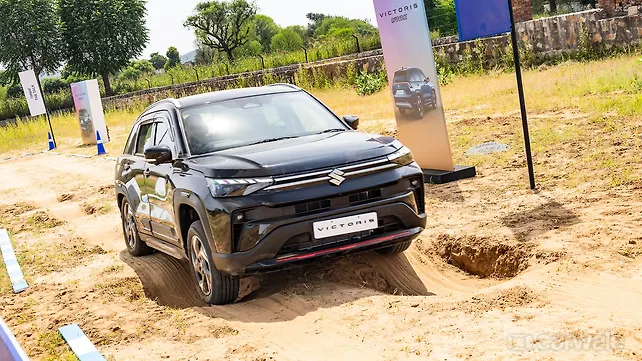
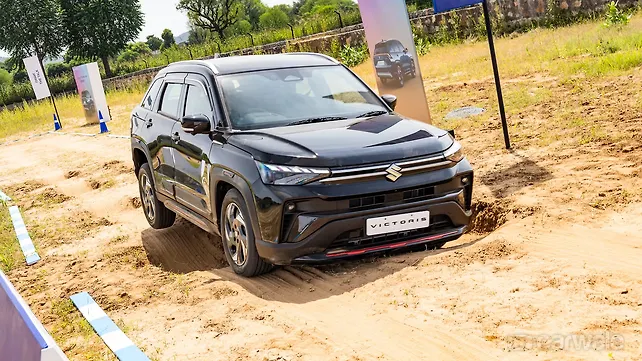
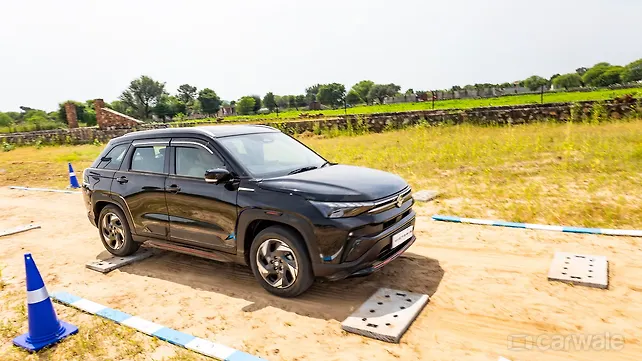
As part of the drive experience, Maruti Suzuki had laid out a compact yet effective off-road course to showcase the Victoris’s abilities beyond tarmac. It impressed by handling all the manoeuvres with ease, never feeling out of depth or underwhelming.
Yes, in certain situations the lack of outright torque did show, but that shortfall was cleverly masked by the sharp power delivery between the front and rear wheels - all thanks to Maruti’s AllGrip tech.
Safety Features
8.5 / 10
That said, the Victoris is the first Maruti to get a Level 2 ADAS Suite. During our initial tests, features like lane-keep assist and adaptive cruise control worked well and added to the sense of safety and convenience. However, we’ll need more seat time in varied conditions to fully test its effectiveness in the real world. Still, it’s a welcome addition that makes the SUV feel modern and competitive.
Further bolstering its safety suite with six airbags, TPMS, hill-hold assist, front parking sensors, and three-point seatbelts for all passengers, Maruti Suzuki has rolled out what is arguably its strongest product yet.
It also underlines the safety quotient by securing a full five-star rating in both BNCAP and GNCAP crash tests.
Ride Comfort, Handling, Braking
8 / 10
The steering is one of the highlights of the Victoris. Wrapped in leather, the three-spoke unit feels premium to hold and is reminiscent of Mercedes-Benz designs. It strikes a good balance between being light enough in the city and offering enough weight and accuracy on highways and winding roads.
The mounted controls are laid out logically, with media and menu functions on the left and cruise control and ADAS on the right. Even the stalks for lights and wipers feel solid, while auto headlamps and wipers add everyday convenience.
Around corners, it doesn’t roll excessively and offers enough grip and confidence to keep things tidy. The steering feedback helps here, making it feel more connected than you’d imagine from a family SUV.
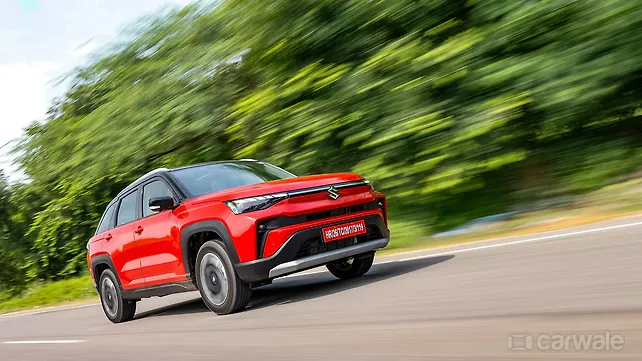
The suspension setup is one of Victoris’s strongest suits. Over smooth tarmac, the ride feels planted, and over potholes or broken patches, it remains supple and controlled. Passengers aren’t tossed around, and there’s no crashing sensation over sharper bumps. Even on twisty roads with steep banking, the SUV stayed composed. The tuning strikes a fine balance between comfort and stability, making it well-suited for both city commutes and long highway runs.
The Victoris rolls on 17-inch wheels, which feel like the right size for this SUV. They strike a good balance between looks and ride comfort. However, the tyre profile does appear slightly skinny, and a wider section could have added both visual bulk and a bit more grip. Still, the current setup is adequate for most conditions and complements the suspension tuning well.
Thanks to a generous glasshouse and slim pillars, outward visibility is excellent. The high driving position gives you a commanding view of the road ahead, and the large windows make it easy to place the SUV in traffic or while parking. Rear visibility is also good, further aided by the 360-degree camera in higher trims.
With disc brakes on all four wheels, braking performance is predictable and reassuring. The SUV comes to a halt without drama, and the pedal feel is progressive. It doesn’t feel overly sharp, which makes it friendly for city commutes, but at the same time, it offers enough bite for confident highway braking.
NVH
7.5 / 10
The Victoris feels robust, with well-damped doors that shut with a reassuring thud. The NVH levels are on the better side too, with minimal vibrations seeping in from the engine bay. No surprise, given Maruti’s engines are among the smoothest and most refined in the business.
That said, road noise does make its presence felt inside the cabin, accompanied by a constant hum from the tyres. Still, it’s nothing that takes away from the overall experience.
Verdict
7.9 / 10
So, who should consider the Maruti Suzuki Victoris? It’s the ideal pick for informed buyers who value solid brand reputation, reliability, tried-and-tested powertrains, and a strong value-for-money proposition. The Victoris isn’t here to mimic or replace the Grand Vitara. Instead, it acts as an extension of the Nexa flagship into the Arena space, built specifically to challenge segment leaders like the Hyundai Creta.
Toppling the Korean bestseller won’t be easy, but with the right balance of packaging, features, and Maruti’s unmatched mass appeal, the Victoris is set to narrow the gap that the Grand Vitara couldn’t quite close.
Pictures by Kapil Angane