Introduction
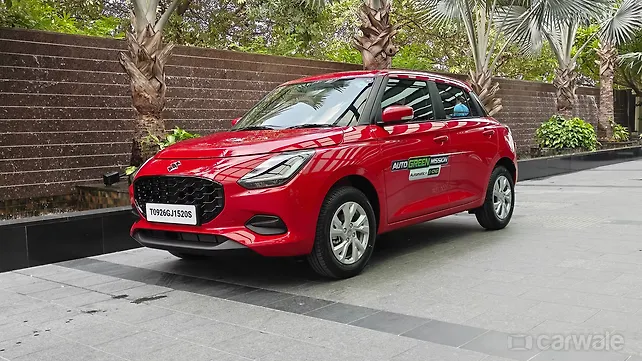
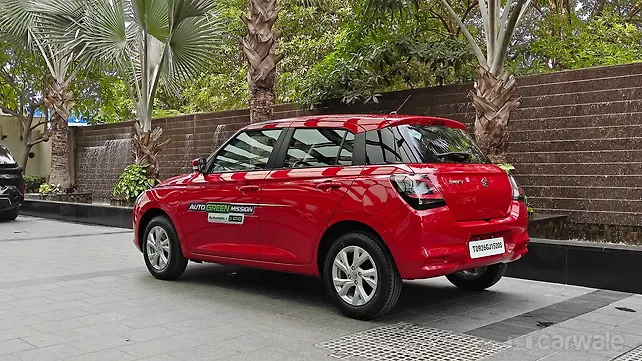
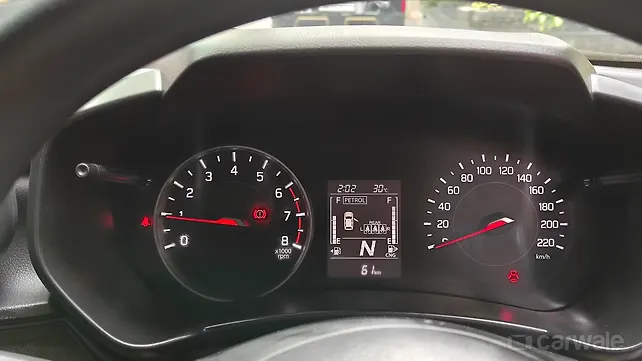
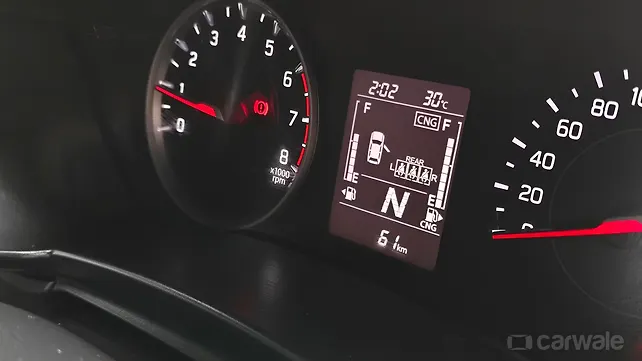
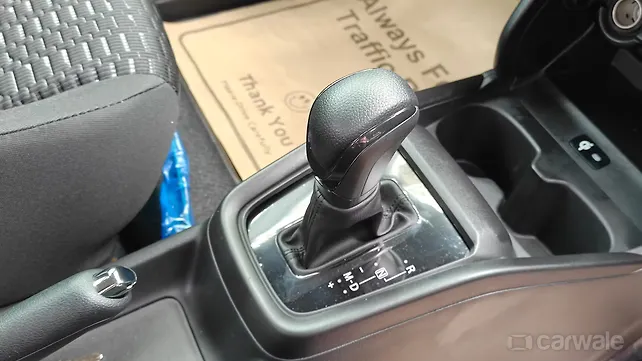
Maruti Suzuki Swift CNG now comes with an automatic gearbox. Okay, it's an AMT or an automated manual transmission instead of a proper auto like a torque converter, a CVT or a DCT. But, if you live in congested areas and have long commutes, an AMT, or like Maruti likes to call it – AGS – beats a manual any day.

Now, we spent some time driving it and we will give you our first impressions. But don't consider it a proper review because it isn't. Instead, consider this piece more like an 'all you need to know' about the new Swift CNG AGS. I know, just too many acronyms.
Why an Automatic CNG?
Maruti is betting big on CNG. Which is not really a surprise because a significant part of its sales currently come from cars running on CNG. The sales for the Victoris CNG, for instance, account for almost 50 per cent of the model's total sales.
But there is more.
As high-mileage consumers move away from diesel, they are looking for other means to keep running costs low. In cars costing 30 lakh and above, that need will be satisfied by strong and plug-in hybrids. But at the more affordable end of the pricing spectrum, that role will be taken on by CNG.
This means CNG will not be limited to cars bought in smaller towns or by fleet operators, but CNG will soon be a mainstay for high-mileage urban users of private passenger cars as well. And to ride that wave, Maruti believes a feature-rich, automatic CNG range of cars is a must.
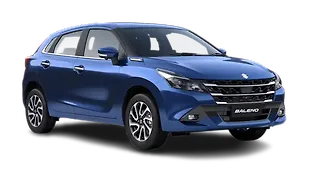
The Swift is, of course, the most affordable of such offerings. But consumers can also opt for the Baleno and Dzire in CNG AGS guises.
What's on Offer?
In the case of the Swift CNG AGS, we drove the top-spec ZXI trim. In simple terms, think of it as the current Swift CNG ZXI with an AMT gearbox.
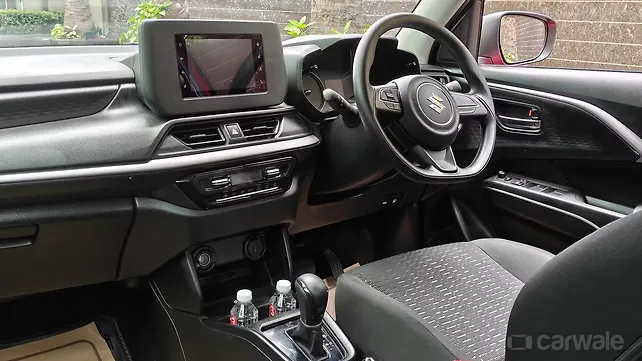
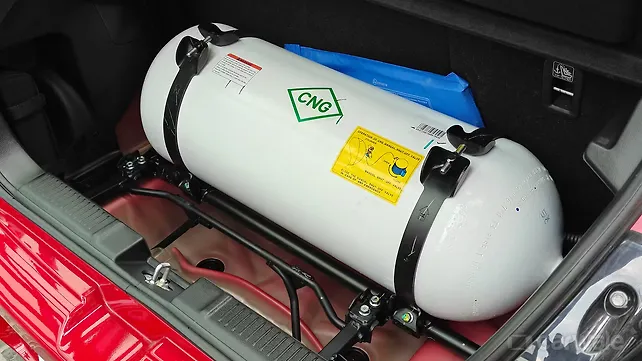
So, the CNG tank still occupies most of the boot. There is still no spare wheel. And it continues to come with alloy wheels, wireless phone charger, height-adjustable driver's seat, and everything else that the ZXI CNG trim gets.
We were expecting an underbody CNG tank like on the Victoris, but we will most likely see that in the next generation of the Swift. And, by extension, in the next-gen Dzire as well as the Baleno. The latter two don't get underbody CNG tanks either, but at least the Baleno is offered with a spare wheel.
How Does it Drive?
Honestly, it drives exactly like it says on the box – like a CNG with an AMT. Now, I haven't driven the Swift CNG extensively, unlike its petrol-only version. But the CNG AGS I drove felt quite similar to the petrol-powered Swift with AGS. In my short drive, I really couldn't tell if the CNG was weighing the car down.
The gearshifts aren't seamless, but there is no excessive head nod typical of AMTs either. The throttle response is crisp. The car doesn't feel sluggish or slow. And on the busy route we drove, nothing in the way the car behaved screamed underpowered. This might change with a full load when we give it the stick, but that's a story for another day.
Who Should Buy One?
So, if you have long and slow commutes, with plenty of stop-and-go traffic, an AGS-equipped CNG-run Swift (or Dzire and Baleno, for that matter) makes a lot of sense.
At slower city speeds, the AGS' lack of absolute seamlessness during shifts doesn't stand out like a sore thumb. Plus, there is enough grunt in the lower and mid-range of this CNG-fuelled three-cylinder engine to not just keep up with traffic, but pull some overtaking moves as well when the situation demands it.
But for more on its overall performance and fuel economy, we'd suggest you wait for our detailed review.